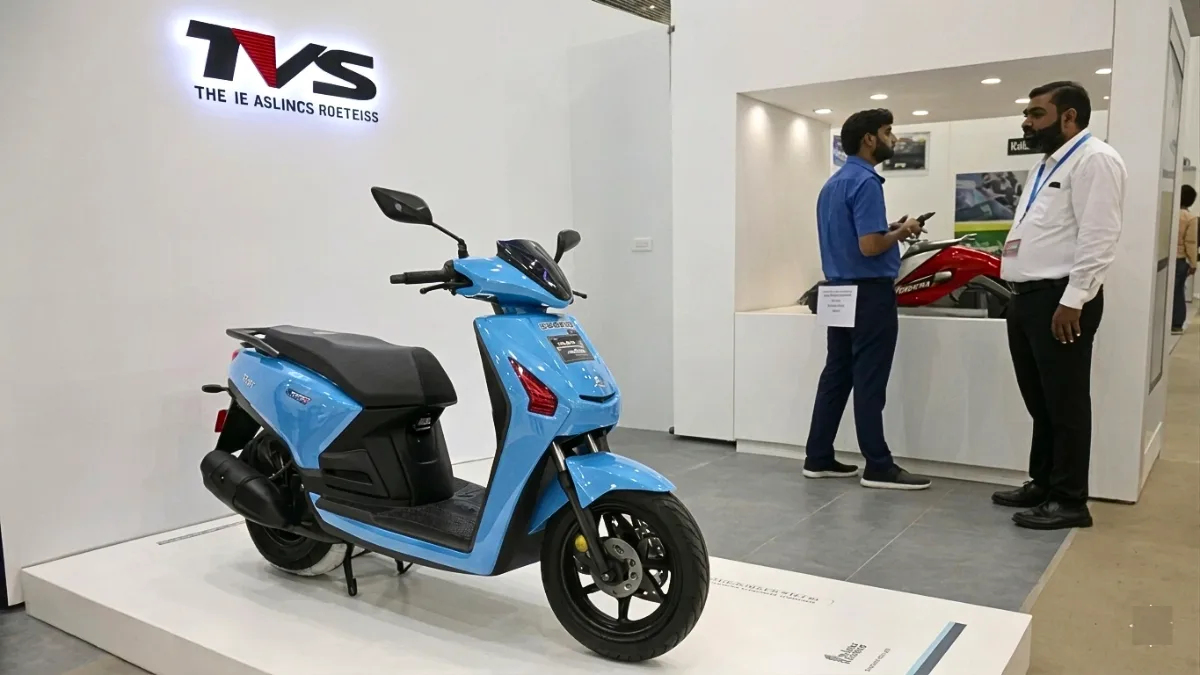
TVS iQube 2026 – The electric scooter revolution in India is well underway, and one name that has continually stood out in the segment is the TVS iQube. First introduced in 2020, the iQube has steadily evolved into one of the most capable and practical electric scooters for city riders. For 2026, TVS Motor Company has reimagined the iQube — equipping it with advanced technology, extended range, smarter connectivity features, and charging convenience that aligns with the needs of modern urban commuters.
A New Era for the iQube
Electric mobility is no longer just about replacing petrol with electrons — it’s about creating a smarter, more efficient, and convenient experience for riders. The 2026 iteration of the iQube aims to deliver precisely that. While previous versions already packed competitive specifications — including a hub-mounted 4.4 kW motor and variants offering IDC ranges from around 94 km up to 212 km — the new model pushes the boundaries further with industry‑leading range and fast charging capabilities.
According to recent reports, the TVS iQube 2026 promises a significantly enhanced claimed range of up to 445 kilometers on a single charge — a major leap from earlier models. This positions the scooter not just as a city commuter but a capable vehicle for longer daily trips and extended urban mobility.
Extended Range: A Game Changer
One of the biggest criticisms that electric two‑wheelers often face is range anxiety — the fear that the vehicle won’t make it to your destination without frequent recharging. TVS tackles this head‑on with its 2026 iQube, extending the claimed range substantially over previous variants. While real‑world range always varies with traffic conditions, rider behavior, and terrain, early estimates suggest a practical range significantly beyond 200 km in everyday urban usage — effectively reducing the frequency of charging stops for most commuters.

This development fundamentally redefines how riders perceive electric scooters for everyday use. Instead of thinking about “will it get me there?” the focus shifts to “how far can I explore with it today?” — a shift that’s essential if EVs are to replace petrol scooters in large numbers.
Faster Charging for Modern Lifestyles
Extended range means little without convenient charging, and TVS seems to have innovated here as well. The 2026 iQube is expected to support rapid charging systems, enabling riders to recharge more quickly compared to older models. While exact figures vary across sources, some reports mention the potential for significant reduction in charging time, helping riders spend less time tethered to plugs and more time on the road.
Faster charging makes daily use far more practical, especially for commuters who might not have access to home charging overnight or for those who want the flexibility to use public chargers on the go. As public charging infrastructure improves across Indian cities, aligning the scooter’s capabilities with charging ease becomes a compelling advantage.
Smart Tech Features That Matter
Beyond battery and performance, electric scooters today are also expected to bring a suite of smart features — and the 2026 iQube delivers. Previous iQube models already came equipped with a digital instrument cluster, connected features like smartphone integration, navigation alerts, hill hold assist, and OTA (Over‑The‑Air) software updates that enhance features over time.
For 2026, TVS is expected to build on this foundation with improved connectivity and user experience. Features like larger TFT displays, better navigation systems, smartphone app connectivity for real‑time diagnostics and ride statistics, and advanced safety alerts are all part of the package that makes the iQube a true “smart scooter.”
For example, urban riders can now enjoy turn‑by‑turn navigation, smartphone integration, and remote diagnostics — features that were once considered luxuries but are now becoming essential as scooters evolve into connected devices.
Performance and Ride Quality
Performance enhancements in the iQube 2026 go beyond just battery capacity. The electric motor and overall ride dynamics have been fine‑tuned for city conditions — ensuring quick acceleration for stop‑and‑go traffic, stable balance in crowded streets, and responsive handling that everyday riders will appreciate. Previous versions could sprint from 0–40 km/h in just over 4 seconds, and while the 2026 model’s exact acceleration figures are still emerging, the improved powertrain aims to offer both efficiency and smooth power delivery.
Suspension and comfort have also been core to the design. Urban roads can be unpredictable, and the iQube’s suspension setup — tuned for comfort — helps riders maintain stability over uneven surfaces, speed breakers, and potholes commonly found in Indian cities.
Practicality for Daily Use
Everyday practicality is another hallmark of the iQube. Under‑seat storage remains generous — sufficient for essentials like helmets and small personal items — and additional conveniences like USB charging ports make day‑to‑day use easier. Flat footboards, comfortable seat ergonomics, and smart storage solutions continue to make the iQube an excellent choice for daily errands, office commutes, and weekend rides.
In addition, features such as hill hold assist, Q‑Park assist (for reverse maneuvering), and responsive braking help riders in diverse city environments.
Safety and Reliability
Safety remains a priority for TVS. The scooter continues to incorporate robust battery management systems (BMS) that protect the battery pack and enhance longevity. The scooter’s IP67 rating ensures resistance to dust and water — crucial for dealing with monsoons and unpredictable weather. Well‑engineered braking systems and chassis stability further contribute to rider safety.
Furthermore, the emphasis on build quality, dealer service network, and after‑sales support underscores TVS’s commitment to long‑term ownership. While EV ownership still brings challenges like battery health and service readiness, a strong support ecosystem is critical to building rider confidence.
Competitive Landscape and Market Position
In 2026, the electric scooter market in India is more competitive than ever. Traditional manufacturers like Hero MotoCorp and Bajaj Auto, along with EV‑first players like Ather and Ola, are constantly innovating. In this landscape, TVS has managed to carve out a strong position — not just with the iQube but with a broader portfolio that includes entry‑level options like the TVS Orbiter and premium petrol‑EV hybrids.
Recent industry data suggests that TVS has even increased its market share in both internal combustion engine and EV segments, highlighting the company’s ability to adapt to changing trends and rider demands.
What Riders Can Expect Going Forward
For urban commuters considering the switch to electric in 2026, the redesigned TVS iQube presents a compelling case. Its extended range eases range anxiety, fast charging fits dynamic lifestyles, modern tech keeps riders connected, and practical design suits everyday needs. As cities invest more in charging infrastructure and EV incentives, scooters like the iQube are positioned to become even more attractive.
Ultimately, the TVS iQube 2026 reflects not just an incremental update but a thoughtful reinvention — tailored to the expectations of today’s urban riders who want efficiency, connectivity, and real‑world practicality without compromise.
Whether you’re commuting to work, running errands, or planning weekend explorations, this new generation of the iQube promises to make electric mobility a seamless part of daily life — proving that the future of urban transport is electric, smart, and designed for real people.